13 Authentic Korean Stews (Jjigae Recipes)
Highlighted under: Warm & Hearty Classics
Experience the heartwarming comfort of Korean cuisine with these 13 authentic jjigae recipes. Each stew offers a unique blend of rich flavors and nutritious ingredients, perfect for cozy nights or dinner gatherings. From the spicy warmth of kimchi jjigae to the savory depth of sundubu jjigae, these dishes will transport your taste buds to Korea. Easy to prepare and packed with wholesome goodness, these stews are sure to delight everyone at your table.
Discover the heart and soul of Korean stews through this collection!
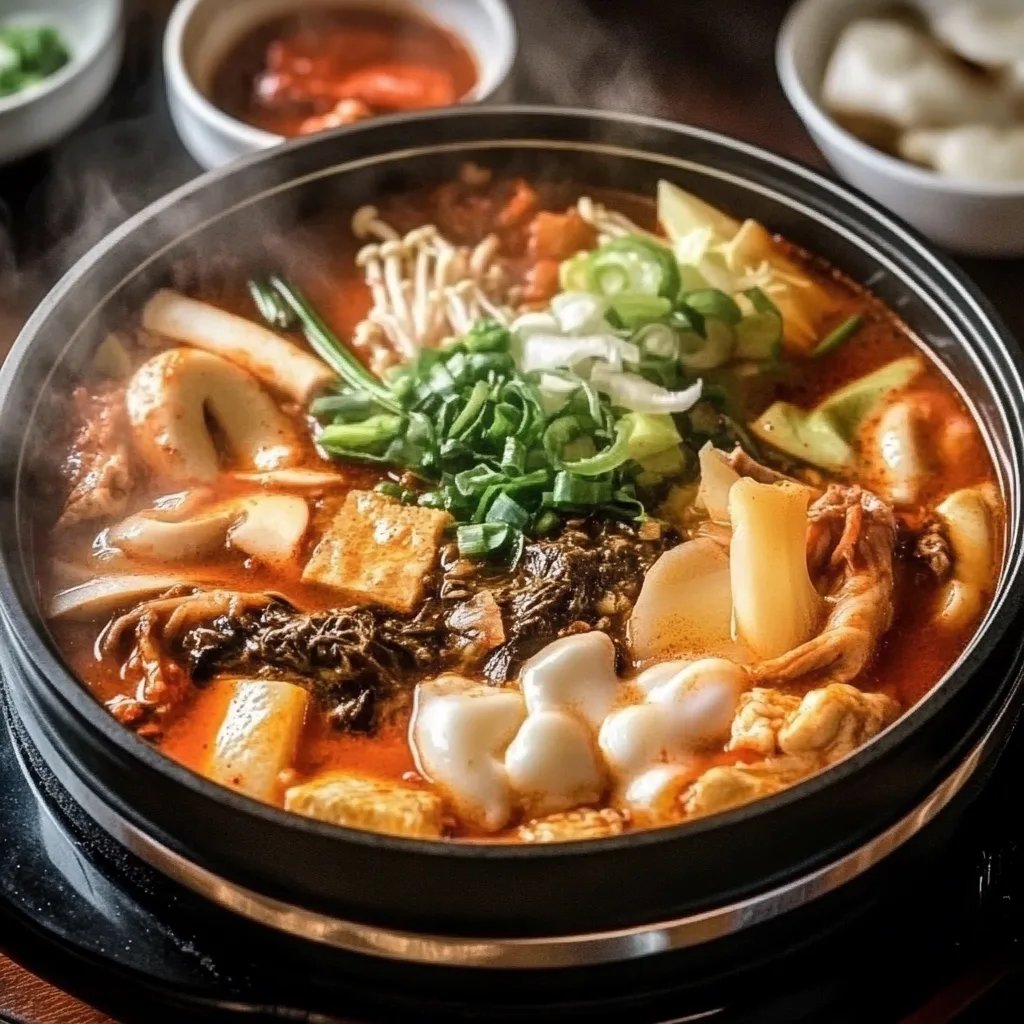
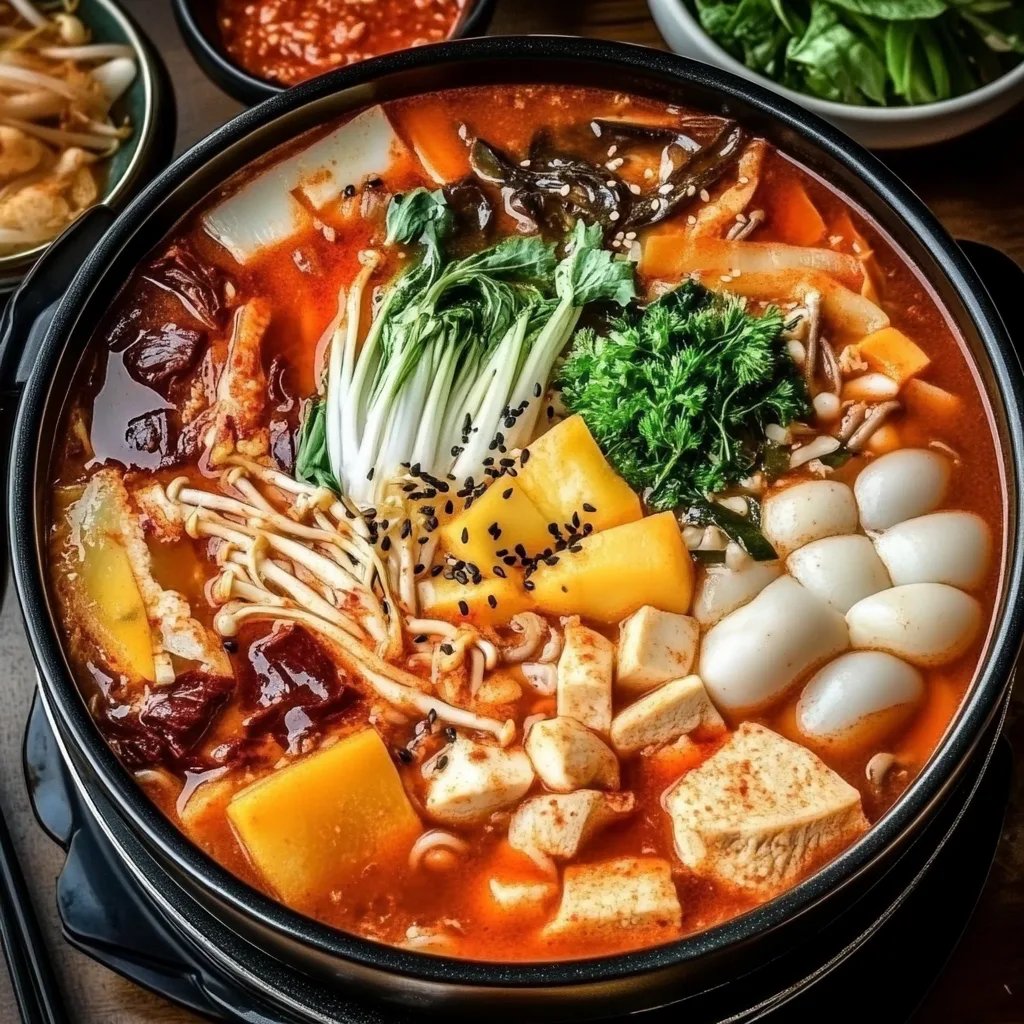
The Essence of Jjigae
Jjigae is more than just a stew; it’s a culinary embodiment of Korean culture, steeped in tradition and comfort. Each jjigae offers a distinctive flavor profile that reflects the region it hails from. From the bubbling spice of kimchi jjigae to the creamy smoothness of sundubu, you’ll find a range of tastes that satisfy various palates. The variety of ingredients used not only adds depth to the flavors but also provides a nutrient-rich meal in each bowl.
In Korea, jjigae is often enjoyed as a communal dish, shared among family and friends. It's not just about the food; it's about the experience of cooking and sharing. Whether you are enjoying a quiet evening at home or hosting a lively gathering, these stews serve as the perfect centerpiece for connection and conversation. Each bite encapsulates the love and warmth of home-cooked meals.
Nutritional Benefits
One of the standout features of jjigae is its wholesome ingredients, which are packed with nutrients that are beneficial for health. Tofu, a common ingredient, offers a great source of plant-based protein, while vegetables like zucchini and mushrooms contribute essential vitamins and minerals. The balance of protein and vegetables ensures that each stew is flavorful, filling, and nutritious, making it an ideal option for families looking to maintain a healthy diet.
Additionally, ingredients like kimchi are fermented, which not only adds a delightful tang but also promotes digestive health. The probiotics found in kimchi help to maintain gut health and boost the immune system. Thus, enjoying jjigae can be a delicious way to nourish your body while savoring a taste of Korean tradition.
Making Jjigae Your Own
One of the most delightful aspects of jjigae is its versatility. While classic recipes are always delightful, you can easily customize your stew with seasonal ingredients or whatever you have on hand. For instance, if you prefer seafood, consider adding shrimp or clams for a unique twist. Vegetarians can substitute meat with additional tofu or tempeh, ensuring that everyone at your table enjoys a satisfying meal.
Experimenting with the spice levels is also encouraged. If you love heat, increase the amount of gochujang or add fresh peppers. Conversely, if you prefer a milder dish, reduce the spicy elements. Each variation you create allows you to make jjigae uniquely yours, turning this traditional dish into a personalized comfort food experience.
Ingredients for Korean Stews
Common Ingredients
- Tofu
- Kimchi
- Vegetables (zucchini, mushrooms, etc.)
- Pork or beef
- Gochujang
- Soy sauce
- Garlic
- Sesame oil
These ingredients will vary depending on the specific jjigae you choose to make.
Cooking Steps
Prepare the Ingredients
Chop all vegetables and proteins into bite-sized pieces.
Start the Stew
In a pot, combine ingredients and let them simmer. Add water or broth as necessary.
Ensure to taste and adjust seasoning as needed during cooking.
Pro Tips
- Always use fresh ingredients for the best taste.
Starters and Sides
Korean stews are often served with a selection of small side dishes known as banchan. These can include pickled vegetables, seasoned greens, and various dips that complement the flavors of jjigae. Offering these starters not only enhances the overall meal but also introduces a range of textures and tastes that elevate the dining experience. Consider adding a few banchan to your table for an authentic Korean feast.
Another popular side dish to pair with jjigae is steamed rice. The fluffy grains serve as the perfect vessel for soaking up the rich broth, providing balance to the spicy and savory flavors of the stew. A simple bowl of white rice can enhance your jjigae meal while also helping to temper the heat, making it enjoyable for everyone.
Serving and Storing Jjigae
When serving jjigae, it is traditional to present it straight from the pot, allowing guests to help themselves. This communal approach not only fosters a warm, inviting atmosphere but also encourages enjoyment of the dish as it simmers. Always accompany the stew with a side of dipping sauces or additional condiments to personalize each bowl, creating a more interactive dining experience.
If you have leftovers, jjigae can be stored in the refrigerator for up to three days. The flavors actually deepen over time, making it even more delicious when reheated. To reheat, simply place the stew in a pot with a splash of water or broth to prevent sticking, and warm over medium heat. This not only saves time but also offers a comforting meal ready to be enjoyed again.
Questions About Recipes
→ Can I customize the ingredients?
Absolutely! Feel free to add your favorite vegetables or proteins.
13 Authentic Korean Stews (Jjigae Recipes)
Created by: Arielle Baxter
Recipe Type: Warm & Hearty Classics
Skill Level: Easy
Final Quantity: 4 servings
What You'll Need
Common Ingredients
- Tofu
- Kimchi
- Vegetables (zucchini, mushrooms, etc.)
- Pork or beef
- Gochujang
- Soy sauce
- Garlic
- Sesame oil
How-To Steps
Chop all vegetables and proteins into bite-sized pieces.
In a pot, combine ingredients and let them simmer. Add water or broth as necessary.
Extra Tips
- Always use fresh ingredients for the best taste.
Nutritional Breakdown (Per Serving)
- Protein: 15g
- Carbohydrates: 30g